MHAB Life Skills Campus Supports the Clinton County Recovery Community
21 Oct 2026
News
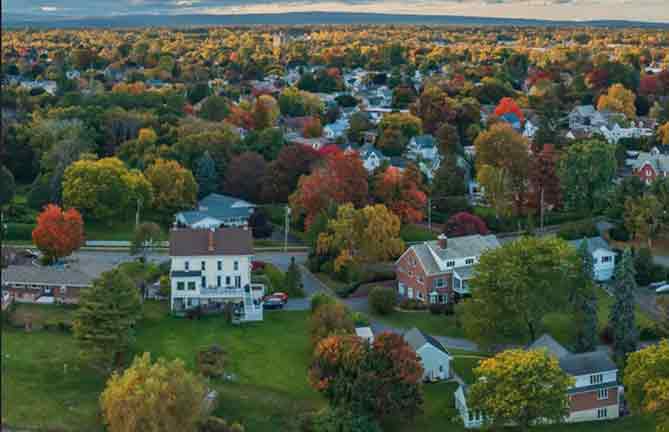
Clinton County, New York, is strong because of its connected communities. Businesses, resource partners, volunteer organizations, and social groups work together for the greater good. MHAB Life Skills Campus is a wonderful example of how the world can be a better place when different groups share ideas and build each other up.
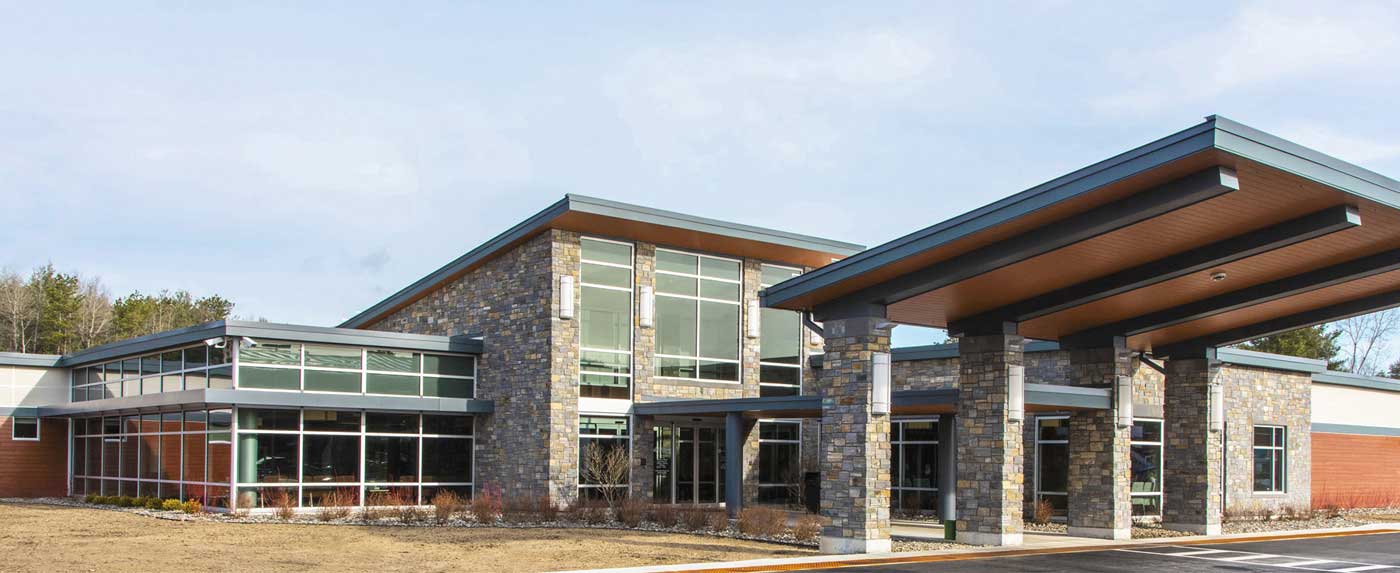
MHAB was founded by Michael Carpenter, President and CEO of The Northeast Group. Carpenter has been through his own addictions with drugs and alcohol and has been part of the recovery community for more than 35 years. Giving back has been a large part of Carpenter’s journey, and when the former Clinton Community College dorm and dining hall became available, the opportunity seemed too good to pass up
“I always wanted to start a rehabilitation center or a halfway house, but this has become a project on a much larger scale because of our circumstances,” says Carpenter.
Depending on who you ask, MHAB either stands for Meaningful Habits Around Behavior or Mike-Mary-Herb-AJ-Betsy – the key individuals who helped found the organization. MHAB is more than a housing program; it is a resource for people in all stages of recovery. It also continues to grow its impact through various organizations across Plattsburgh and beyond.
This is Not a Traditional Rehab Facility
MHAB was originally established to support people in the early stages of recovery, providing a range of services and opportunities to help individuals build a stable, sustainable path forward. Over time, it has seen how deeply intertwined society’s challenges can be. Substance use disorder, mental health crises, homelessness, unemployment, poverty, and domestic violence rarely exist in isolation. As those needs have intersected, MHAB has expanded its services and partnerships to meet people where they are and provide the support, skills, and connections they need to move forward.
Today, the organization is not a traditional rehab or a homeless shelter. Instead, it's a center for people who want to better their lives, whether that means restarting their careers or developing essential life skills.
“We don’t tell people how to recover from substance abuse, but provide options for them to do so,” says Carpenter. “This isn’t a 30 or 60-day program; it’s up to a two-year journey for those who need it.”
For example, MHAB connects residents with therapy, employment opportunities, affordable college-level classes, banking services, credit assistance, and financial literacy education, among other soft skills. Everyone has their own skills gaps and needs, whether that means building a healthy credit history or securing a driver's license.
MHAB Works With Local Organizations to Support Recovery
Carpenter is clear that MHAB was founded with two goals: to help people struggling with social ills and to work with multiple community providers under one roof. At his core, Carpenter insists that he’s just a landlord; it is the partner agencies that do the real work
MHAB works with several local service providers, but two key organizations operate on campus. Champlain Valley Family Center has a 24-hour crisis stabilization center and a drop-in recovery center, while Behavioral Health Services North operates one of the dorms serving some of the most vulnerable in the community.
MHAB has a capacity of 120 residents, and is regularly at or near capacity. MHAB occasionally has to place people on a waiting list depending on their circumstances.
Even operating at capacity, MHAB provides services wherever it can. “We send people in need to the recovery drop-in center,” he adds. “There are people who might not be able to help you in the moment, but they can give you contacts for people who can give you services.”
Not everyone is looking to move into MHAB. Oftentimes, loved ones arrive seeking resources because someone they care about – a parent, a spouse, a child – knows someone who is in a bad situation or going through a dangerous period of addiction. They are looking for tools and support to help the people they care about and find support for themselves.
MHAB also sees people escaping domestic violence, those living in poverty, and the unhoused. Its goal is to point as many people as possible to available resources and opportunities to improve their current situations.
Employers in Clinton County Hire From the Recovery Community
Even before MHAB was founded, The Northeast Group was known for hiring people who needed a chance. There was a time during his addiction and recovery when Carpenter’s resume would have been rejected by most companies. There were gaps in employment, short-term stints in work, an arrest record, and other red flags. He and the team at The Northeast Group want to provide opportunities for people who are ready to get their careers back on track.
“Success isn't measured only by what leaves our warehouses,” says Betsy Vicencio, Vice President and Chief Financial Officer of The Northeast Group. “It's measured by the lives that leave our organization stronger than when they arrived.”
Carpenter has become an advocate for hiring people in the recovery community. He meets with local Clinton County businesses and encourages them to consider applicants with imperfect resumes who are ready for a change.
“I tell them that 35 years ago, you wouldn’t hire me, but I’m asking you to take a chance on someone in a similar situation.”
And the community is rethinking who it hires because of these efforts. One Plattsburgh employer has hired 25 MHAB residents, while another has hired a licensed therapist to support employees in recovery. Many employers hire workers from The Northeast Group when they’re ready to step into new roles.
As a result, the hiring pool in Clinton County is growing with more qualified candidates, and doors are opening for people who worried their addictions would have slammed them all shut.
Clinton County is Growing Together
The saying, “a rising tide floats all boats,” can be found across Clinton County. By working together and supporting different organizations, residents, and businesses, our communities are growing. The ripple effects of improved hiring practices, new programs, and strong support systems can be felt across Plattsburgh and beyond.
Learn more about Clinton County and what it’s like to live in this part of New York. See your future with this community, with a core commitment to succeeding by helping others. And if you have any questions, don’t hesitate to reach out. We’re just a phone call away.
More Topics