Clinton County Through the Years
From its Indigenous beginnings to its emergence as a center for cross-border commerce, Clinton County’s history tells a story of resilience, innovation, and opportunity. Each milestone reflects how the county’s people, location, and spirit of collaboration have shaped its enduring economic strength.
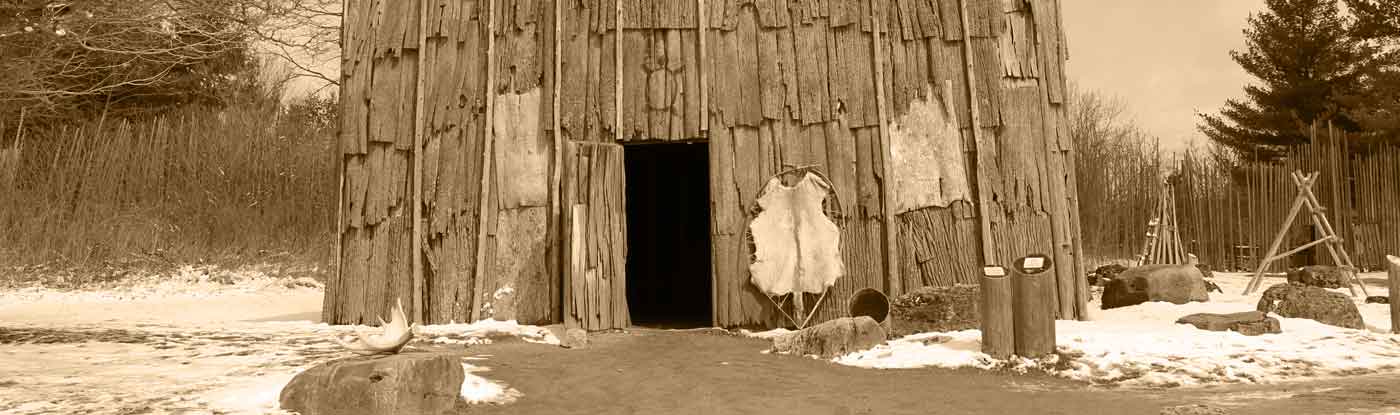
Circa Pre-1700s
Indigenous peoples, including those of the Algonquian and Iroquoian groups, used the land for hunting and seasonal settlement.
Late 1700s
European settlers arrive in the Lake Champlain basin, laying out early towns such as Beekmantown and AuSable.
1788
Clinton County was formally established and named for the state’s first Governor, George Clinton.
1814
The Battle of Plattsburgh during the War of 1812, marks a pivotal American victory and enhances the county’s strategic importance.
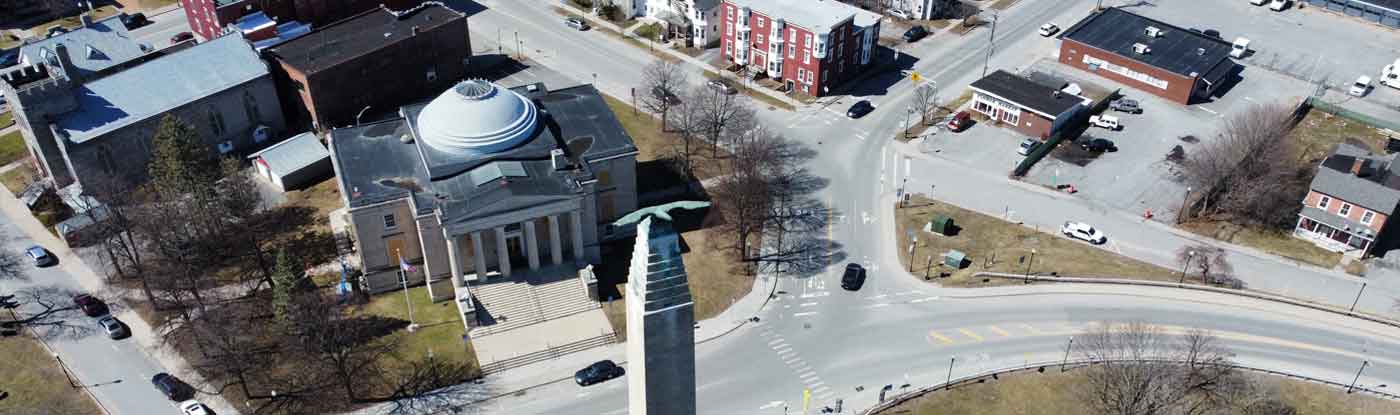
19th century
Railroads, manufacturing, and timber industries grow rapidly; Plattsburgh becomes an industrial and transport hub.
Mid-20th century
The Plattsburgh Air Force Base plays a major role until its 1995 closure, initiating economic transition and redevelopment.
Present
Clinton County leverages its strategic location on I-87, near Montreal, and diverse economy to support global-scale manufacturing, cross-border trade, and redevelopment.